
By Rebelyn S. Beyong
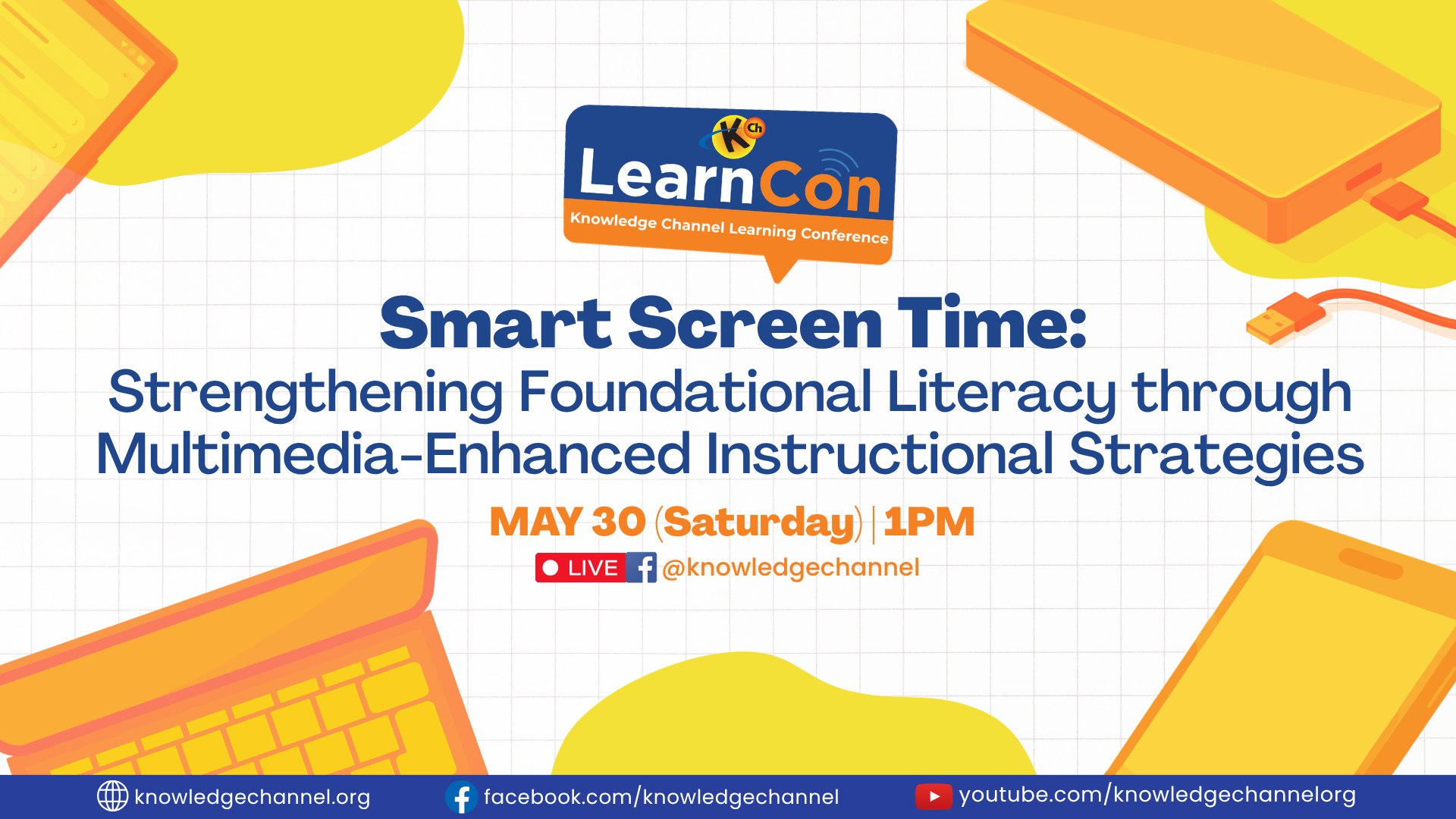
The Knowledge Channel Foundation Inc. (KCFI) hosted a follow-up Knowledge Channel Learning Conference (LearnCon) titled “Smart Screen Time: Strengthening Foundational Literacy through Multimedia-Enhanced Instructional Strategies” via Facebook Live last May 30, 2026 through Knowledge Channel and Knowledge Channel Foundation pages.
Serving as a sequel that complements the May 23 session on “The Power of Play: Play-Based and Inquiry-Driven Learning Through Video Lessons,” the digital event successfully gathered over 13,000 educators, learning facilitators, and parents. The conference aims to strengthen the delivery of evidence-based literacy instruction using engaging and scalable multimedia resources that support decoding, vocabulary, comprehension, and critical thinking skills.
In her opening message, KCFI President and Co-Founder Rina Lopez emphasized the intentional and pedagogical use of digital tools in the modern classroom. “Smart screen time is not simply about letting children watch videos. It is about using technology to strengthen—not replace—good teaching. Multimedia becomes most powerful when it is guided by teachers who know their learners, ask the right questions, connect lessons to real life, and nurture every child with patience and care” she said.
Building the foundations of early literacy
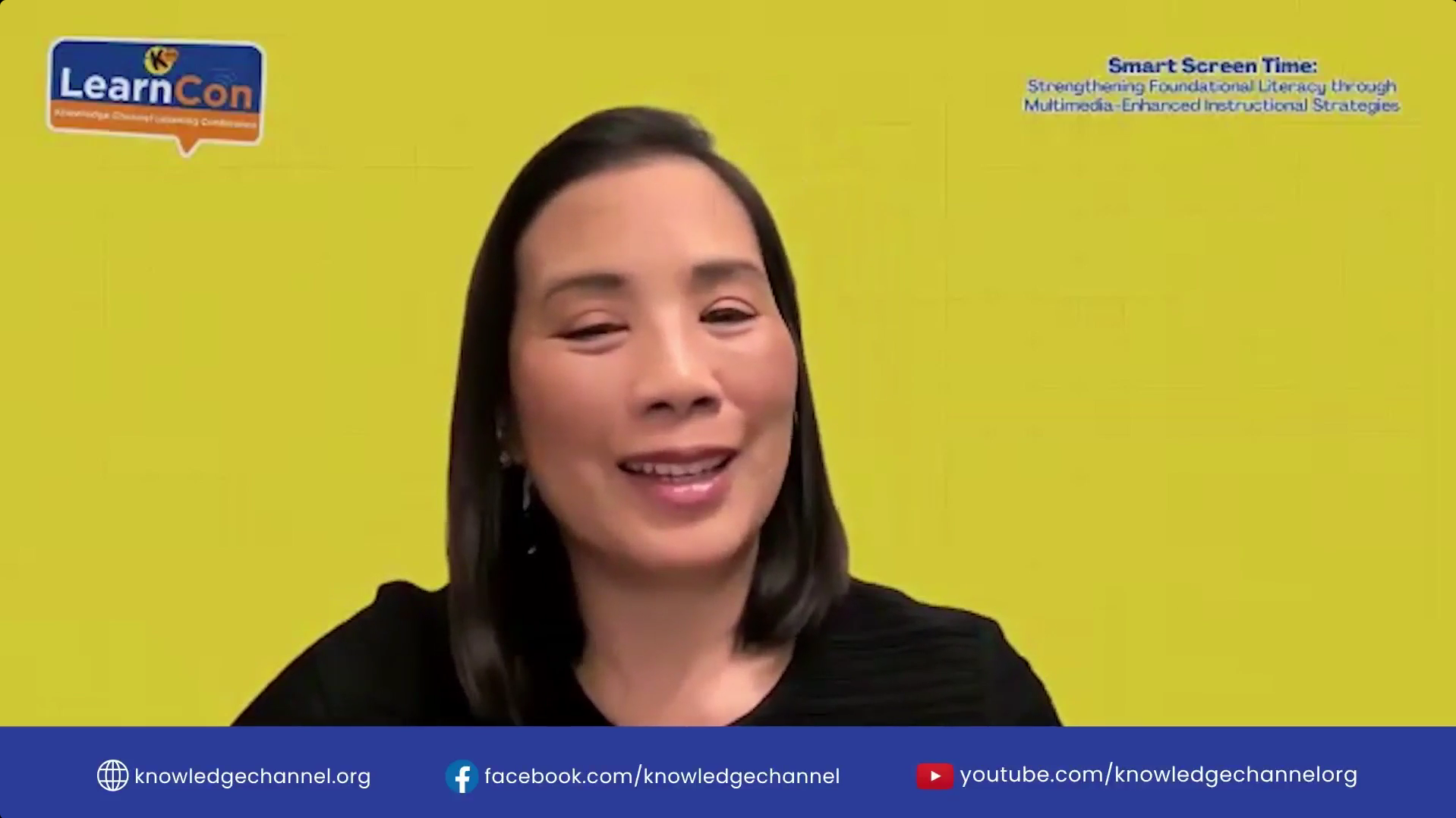
Dr. Maria Alicia Bustos-Orosa, a professorial lecturer at De La Salle University and Vice-President of Quality Management, Research and Innovation at Baliuag University in Bulacan, served as the expert resource speaker for the comprehensive training. She opened the first module, titled "Understanding Foundational Literacy and Multimedia Learning," by establishing that foundational literacy is a highly complex, developmental process that requires time, patience, and deliberate practice. "Early literacy is said to be everything—lahat-lahat that a child knows about reading and writing before he or she can read or write," she explained to the attentive audience.
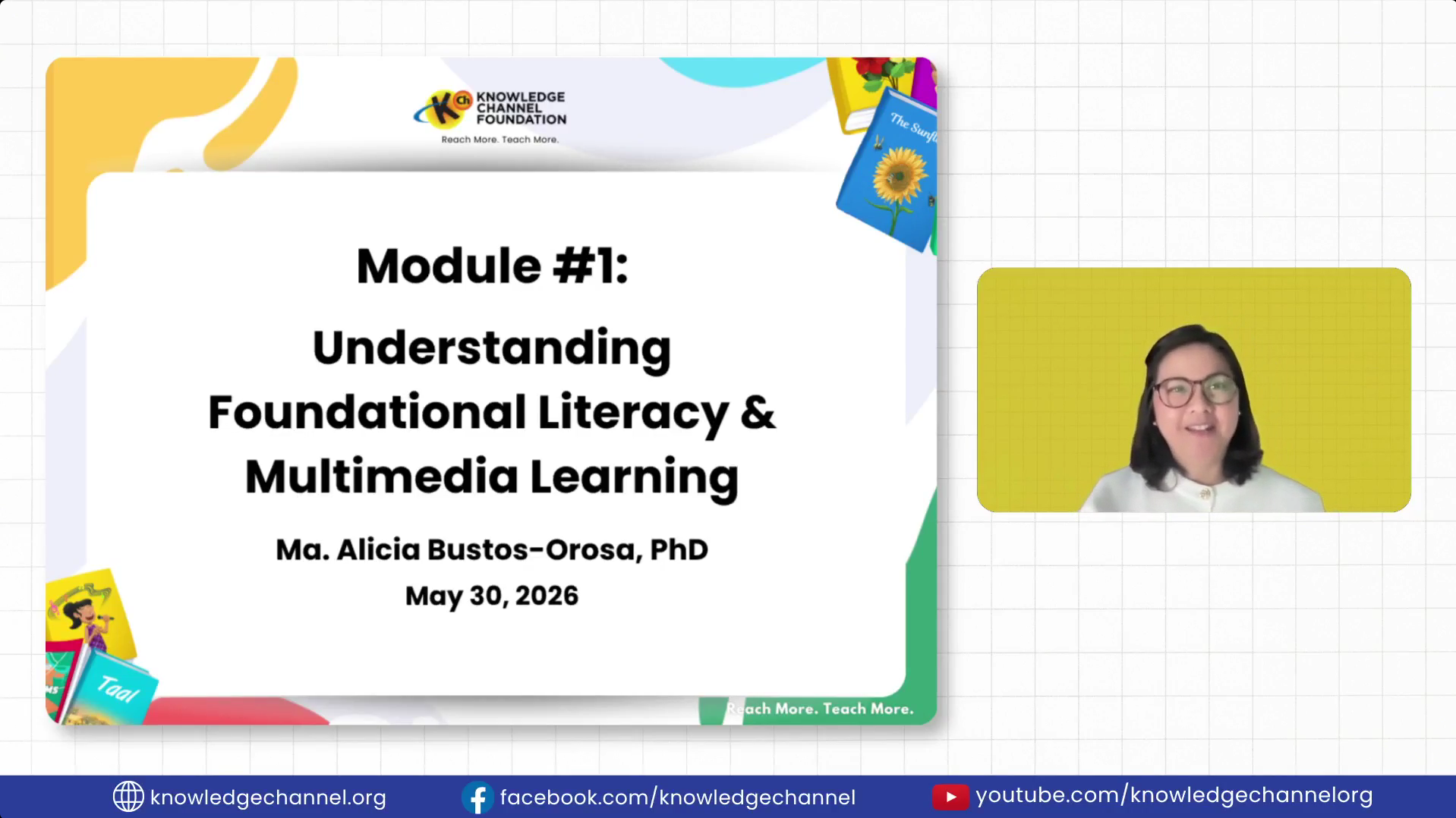
She highlighted the absolute importance of nurturing these foundational skills in real-life social settings that are deeply meaningful and highly purposeful to the growing child. To effectively foster this, educators must integrate developmentally appropriate practices (DAP), establish print-rich classroom environments, and strictly anchor their daily teaching through active play. Dr. Bustos-Orosa further detailed the essential literacy knowledge components, which heavily feature phonemic awareness, phonics, vocabulary expansion, fluency, and holistic reading comprehension. She emphasized that children must actively build print knowledge and oral language skills long before they can successfully decode complex academic texts.
Integrating Multimedia in Literacy Instruction
Transitioning to the second module titled "Using Multimedia to Support Literacy Instruction," Dr. Bustos-Orosa clarified that digital multimedia should consistently serve as supportive instructional aids rather than direct replacements for human teachers. "Ang multimedia po will be a tool for you in teaching literacy," she firmly stated during the interactive session. She introduced the powerful concept of dialogic reading, a research-backed strategy that actively engages the child by making story reading a dynamic two-way conversation.
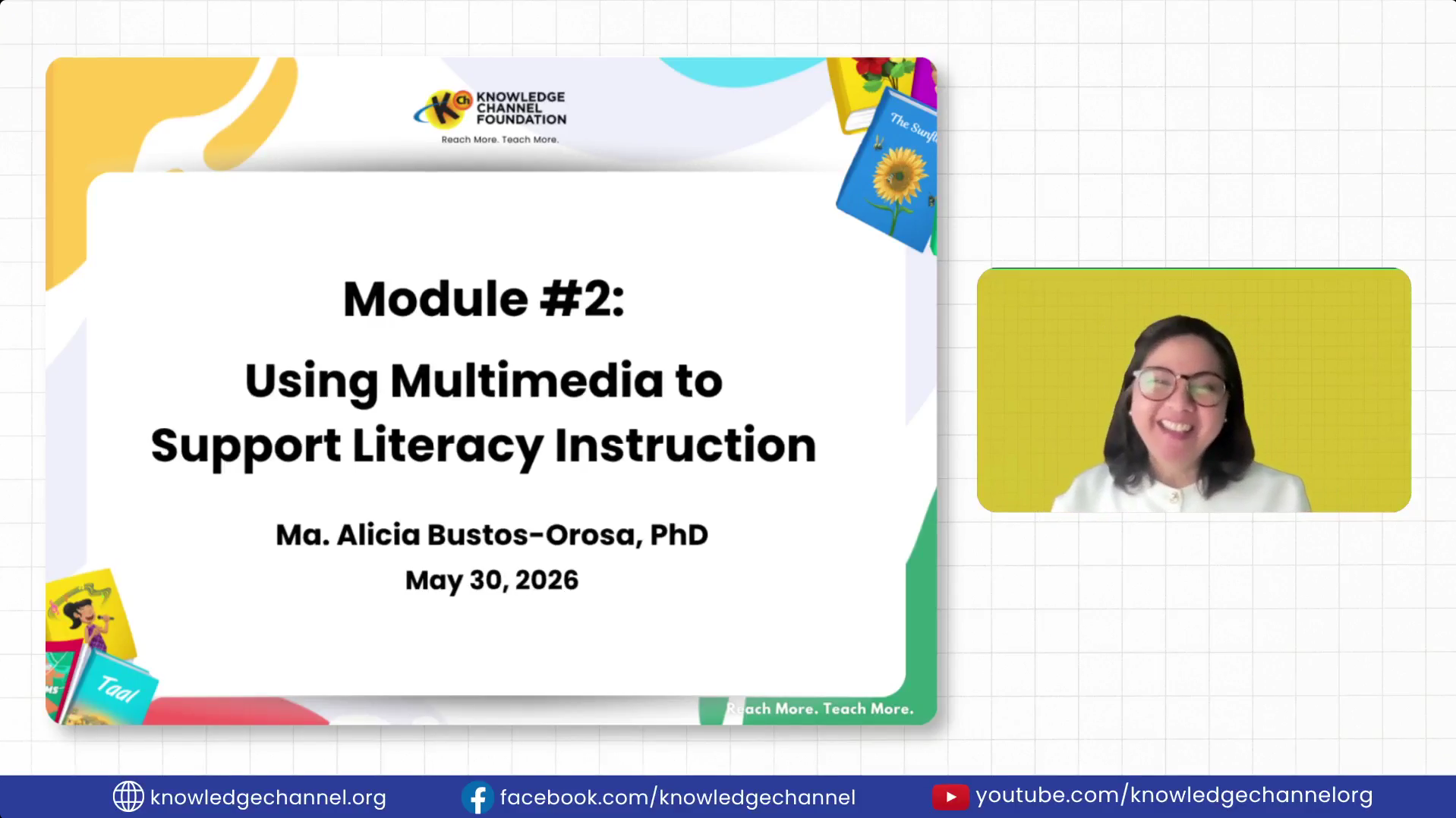
To illustrate these specific strategies practically, she showcased a few educational videos from the Knowledge Channel, specifically highlighting Ready, Set, Read, Wikaharian, and Musikantahan. Using a carefully selected clip from Wikaharian, she demonstrated the evidence-based Marungko method that systematically taught the letter 'M' and its corresponding phonetic sound. Furthermore, Musikantahan was highlighted as an engaging, auditory tool specifically designed for teaching the Filipino alphabet and building essential phonological awareness through music.
Dr. Bustos-Orosa also emphasized the critical, non-negotiable necessity of vocabulary building immediately before diving straight into a reading text or video. By purposefully utilizing interactive games and visual cues to unlock difficult words, educators effectively ensure that early learners fully grasp the story's underlying context.
Designing multimedia-supported literacy lessons
The third and last module, titled "Designing Multimedia-Supported Literacy Lessons," focused entirely on translating these theoretical strategies into actionable, classroom-ready lesson plans for early childhood educators. Dr. Bustos-Orosa outlined a highly structured five-step instructional sequence for K-to-3 literacy lessons, encompassing preparatory activities, during-reading engagement, after-reading mastery, guided practice, and holistic assessment. This deliberate framework strategically guarantees that multimedia viewing remains a highly purposeful and active educational endeavor.
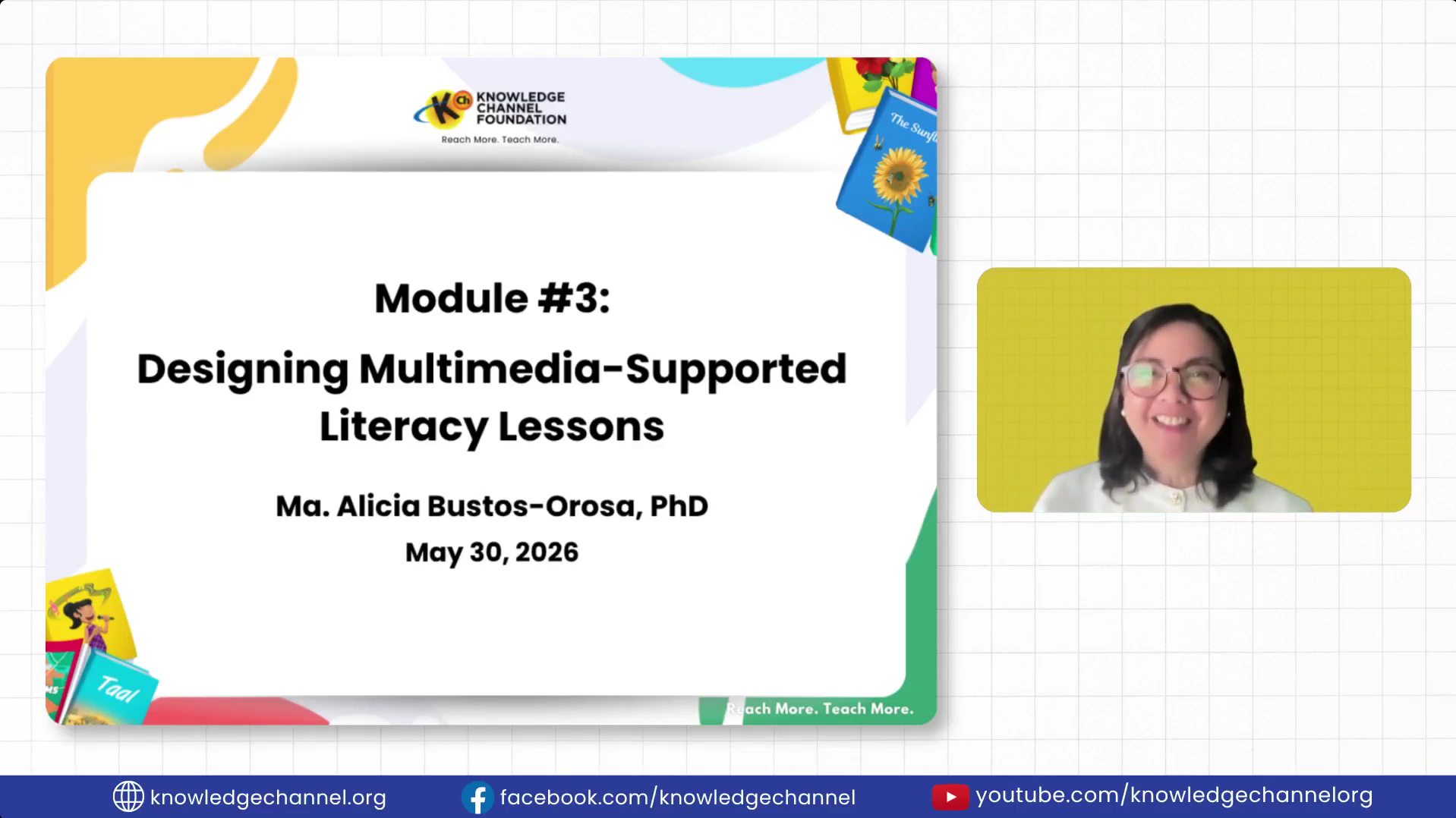
During the crucial preparation or pre-viewing phase, teachers are actively tasked to unlock difficult vocabulary, activate prior knowledge, and establish a clear viewing purpose for the learners. In the active during-viewing phase, educators are highly encouraged to pause the videos periodically to ask guided questions and systematically check comprehension. This simple yet profound technique effectively transforms a standard video viewing experience into a highly interactive, dialogic learning moment.
The intentional post-viewing tasks must carefully focus on skills mastery, expansive vocabulary practice, and logical narrative sequencing. She explained that learning assessment does not always require traditional written tests; it can simply involve students creatively acting out the story or enthusiastically retelling it.
Navigating every learner needs and challenges
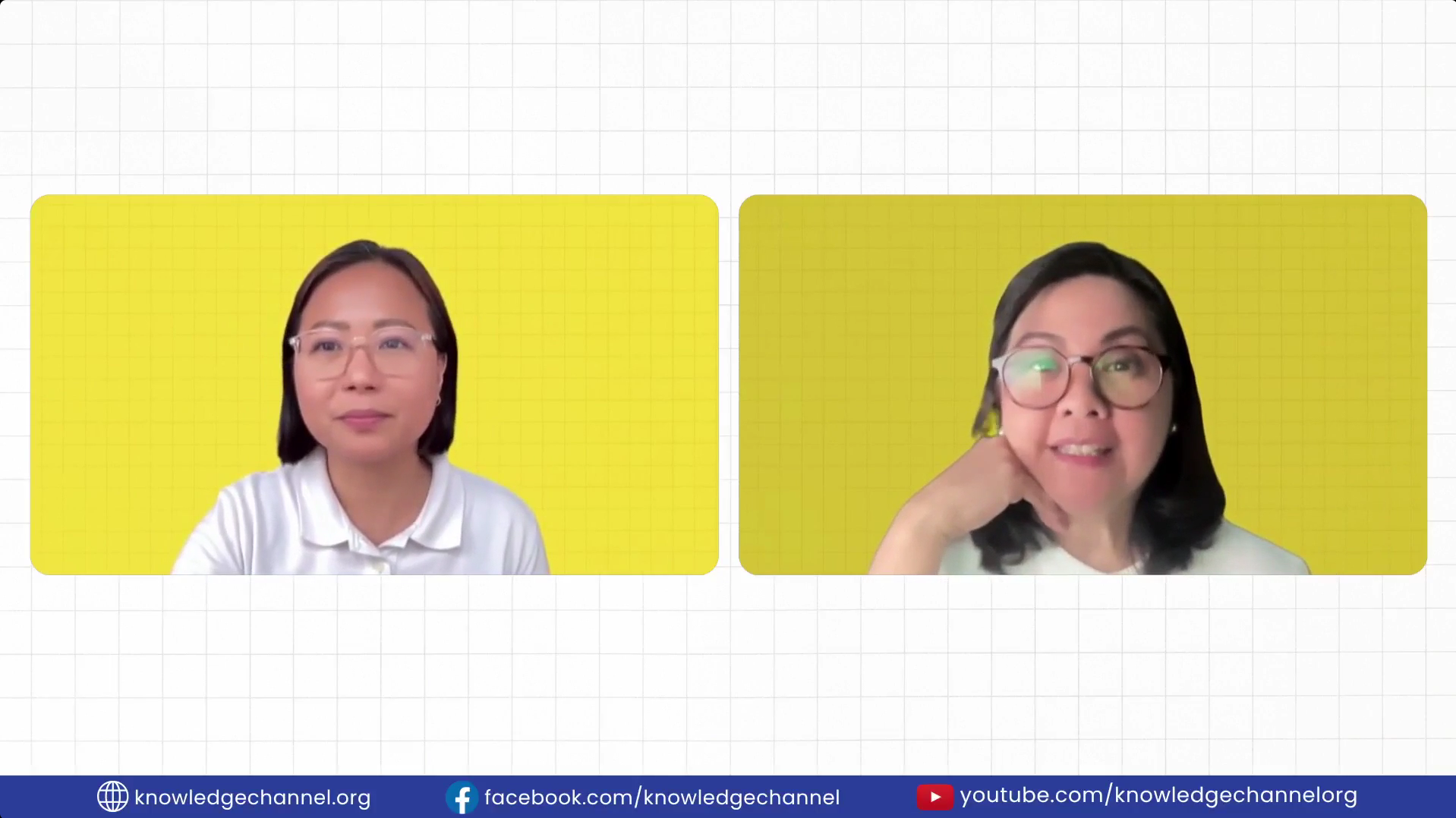
The digital conference concluded with a panel discussion that directly addressed real-world classroom challenges and pressing educator concerns. When asked about accommodating fast learners who possess logical-mathematical or bodily-kinesthetic strengths, Dr. Bustos-Orosa highly recommended integrating physical movement directly into the literacy routine. She suggested purposefully using action songs to effectively build vocabulary and phonemic awareness while simultaneously catering to their developmental need for mobility. On the complex, evolving topic of “translanguaging” for young students struggling with Filipino texts, she strongly validated the use of the learners' more accessible language to bridge academic comprehension. "You also recognize that a third, a dialect might be... the more accessible language to understanding a target language," she explained.
By fully embracing these multimedia-enhanced instructional strategies, educators are now significantly better equipped to turn everyday screen exposure into highly productive smart screen time. The deliberate, pedagogical use of educational videos, directly combined with active play and guided inquiry, promises to build a significantly stronger literacy foundation.
