
By Rina Lopez
Every new year invites reflection—but more importantly, it demands resolve.
Because somewhere in the Philippines, a child is turning two or three or four today—curious, full of questions, ready to learn—and yet has no Child Development Center to go to, no trained adult to guide that curiosity, no safe space that says: You matter. You belong. You have a future. And when that happens to one child, it happens to our country, too.
At the Knowledge Channel Foundation, Inc. (KCFI), we begin 2026 anchored on a belief that has guided us for more than two decades: that the earliest years of a child’s life shape not only their future, but the future of our nation. If we are serious about addressing the learning crisis and breaking cycles of inequality, we must begin where learning truly starts—early childhood.
I have met children who arrive in Grade 1 bright and eager—yet needing stronger foundations—not because they lack ability, but because early support has been insufficient. The encouraging truth is that we can change this when we invest early and well.
And the need is concrete. Many communities still lack functional Child Development Centers (CDCs). Today, 3,023 barangays remain unserved. Behind that number are real children whose earliest years pass without access to quality early learning, health, and nurturing care—simply because of where they are born.
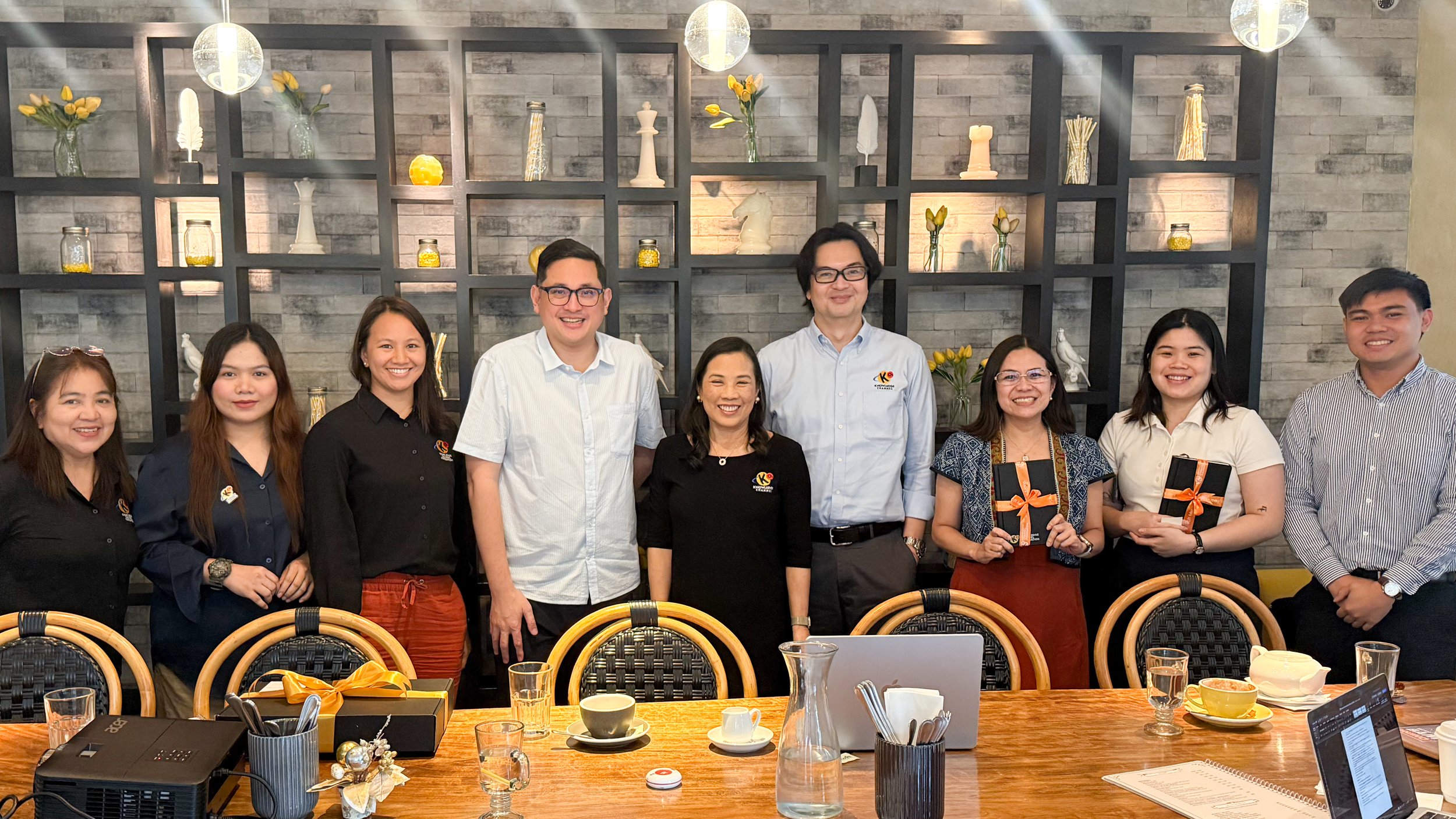
The first weeks of this year were marked not by ceremony, but by quiet, deliberate work. We met with Senator Bam Aquino and Senator Loren Legarda to discuss our proposed legislation focused on foundational learning and nurturing care for children aged 0 to 8. To me, this is not just a policy agenda. It is a commitment to see children not merely as “learners,” but as whole human beings—who need care, protection, stimulation, and love in the years when their brains and hearts are being formed.
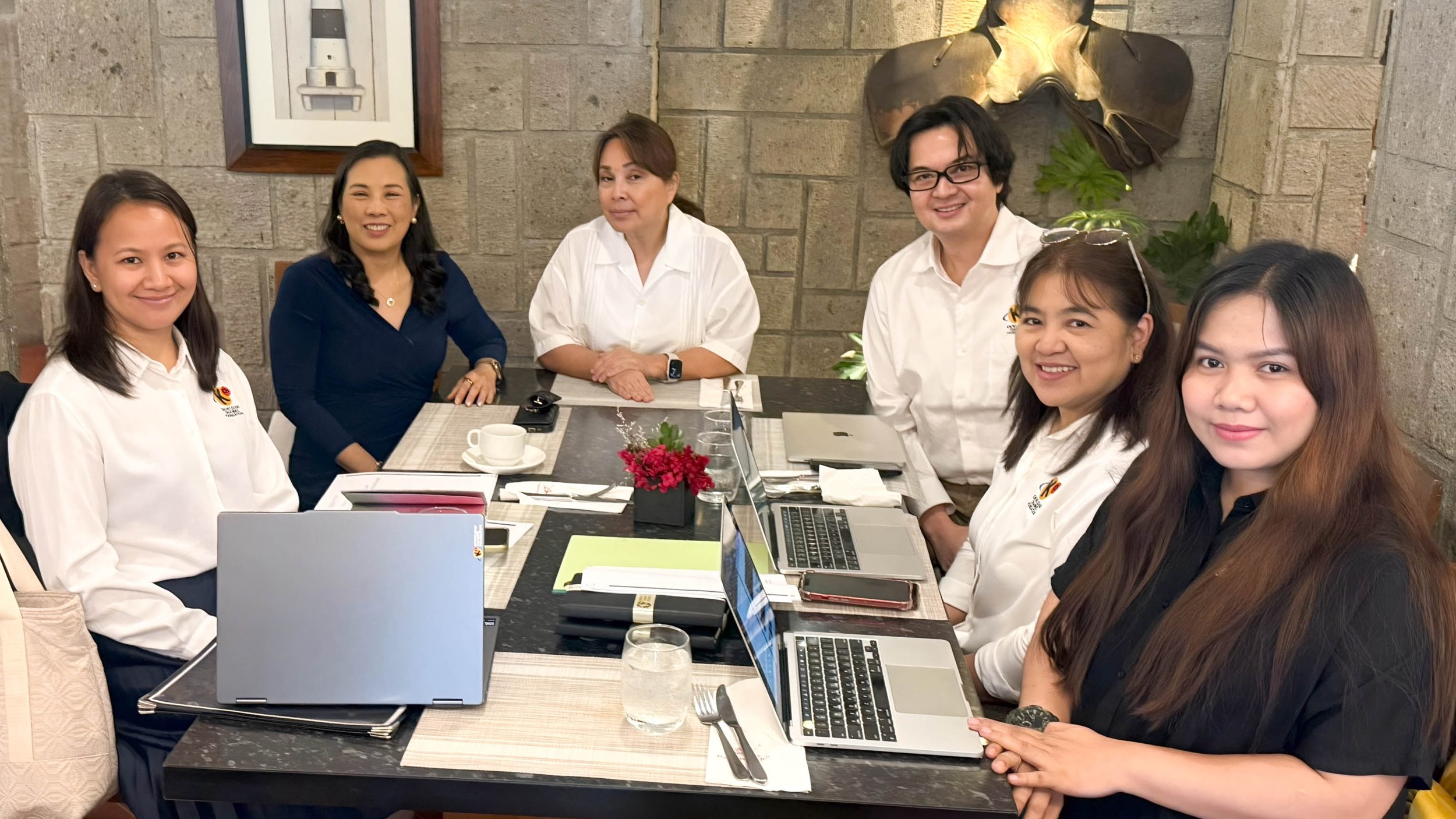
What grounded these discussions was a shared concern: how policies crafted at the national level translate into real impact in classrooms, child development centers, and homes. Protecting foundational learning means ensuring that early grade policies support—not burden—teachers, and that they respond to the realities faced by young learners across diverse communities. This work is ongoing. We continue to study, refine, and build on these conversations, guided by the understanding that good policy must be lived and felt where learning happens.
This same spirit of continuity and accountability guided our participation in the initial planning workshop for the two-year extension period of EDCOM II. The extension is an important opportunity to shift from recommendation-making to sustained oversight—ensuring that the education reforms and laws passed in recent years are implemented as intended, and that they reach the learners and educators they were designed to serve. For KCFI, reform does not end with legislation. Legislation is how we institutionalize it—so it can be funded, implemented, and sustained.
At the heart of these efforts is a renewed national focus on Early Childhood Care and Development (ECCD), strengthened by Republic Act No. 12199, the ECCD System Act, enacted in May 2025. This landmark law institutionalizes the ECCD System as a comprehensive and sustainable national and local initiative, mandating the ECCD Council to support local government units in delivering quality services for our youngest population, those below five years old.
That is why the ECCD Council’s Barangay Summit matters. It was a critical step toward establishing CDCs in centerless barangays, particularly in low-income municipalities. Local governments continue to face challenges—constraints that ultimately affect our most vulnerable learners. The Summit aligned community-level action with national priorities and RA 12199, and strengthened the capacity of LGUs and barangay officials toward establishing local ECCD systems. Because no Filipino child should be denied access to quality early learning and development opportunities simply because of where they are born.
At the Barangay Summit, I presented a multi-sectoral communications campaign initiated by KCFI in partnership with the ECCD Council—an advocacy effort designed to strengthen ECD not only through systems and structures, but through everyday practices in families, communities, and society at large. Central to this campaign is a simple yet powerful framework: the Seven Habits for Early Childhood Development—practical actions that caregivers, parents, and communities can practice daily to nurture a child’s holistic growth. The habits include: singing together every day; letting children play freely; asking questions and truly listening; reading, counting, and telling stories together; eating healthy meals together; staying clean, resting well and protecting against illness; and fostering a sense of safety and security. These habits remind us that ECD begins in everyday life—in homes and communities—and policy’s role is to make that support consistent and accessible for every child.
Our early moments of 2026 remind us that access to education is not only about schools or technology—it is about working together, systems and policies grounded in reality, and communities that take shared responsibility for their children. At KCFI, we remain committed to doing our part: supporting early learning through media and technology (on-air, online, and offline), building the capacity of teachers and child development workers, and advocating policies that protect and nurture foundational learning. If you believe every Filipino child deserves a fair start, this is work you can be part of. As we step into the new year, I invite you to walk with us. Investing in early childhood is a concrete, urgent act of nation-building. With your support, we can continue to lay strong foundations so that every Filipino child, from the very beginning, has a fair chance to learn, grow, and thrive.
How you can help: Share the Seven Habits with families you know. Advocate for children in your communities and conversations. Support efforts that build CDCs and strengthen the people who care for and teach our youngest learners.
Help us sustain this work. Support KCFI by learning more about our programs and advocacies at knowledgechannel.org or donating through BPI Account No. 0201-0409-14 and sending your deposit slip to info@knowledgechannel.org for proper acknowledgment. Together, let us ensure that the first stones we lay this year become a foundation a child can stand on—and a country we can be proud to build.
For Lopez Link - February 2026.