
By John Maverick Morales
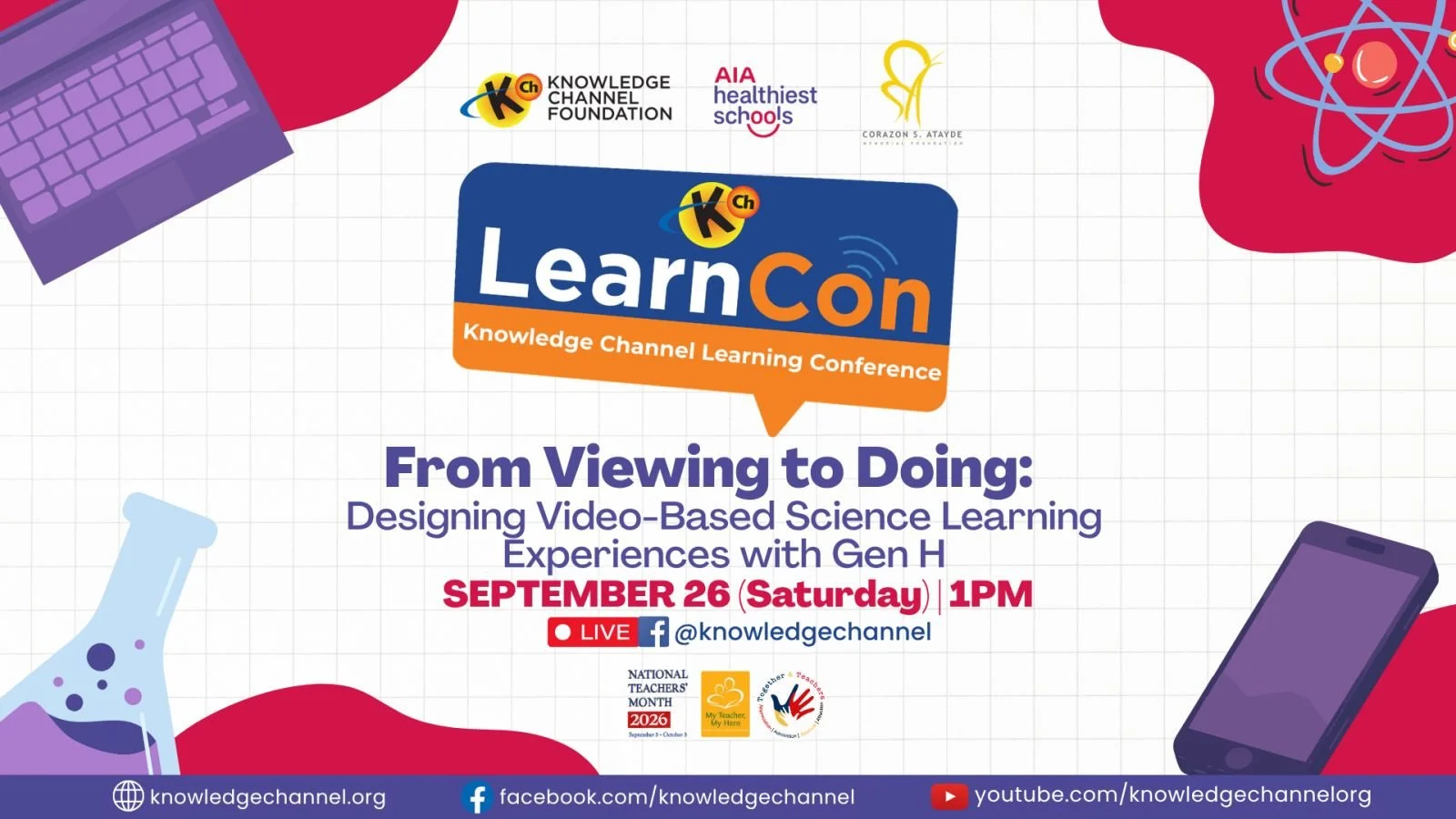
Knowledge Channel Foundation, Inc. (KCFI) gathered over 5,600 educators, academic leaders, students, parents, and learning facilitators on September 26, 2026, for the Learning Conference (LearnCon) “From Viewing to Doing: Designing Video-Based Science Learning Experiences with Gen H.” Held in celebration of National Teachers’ Month, it was made possible through a partnership with AIA Healthiest Schools (AHS) and the Corazon S. Atayde Memorial Foundation (CSAMF).
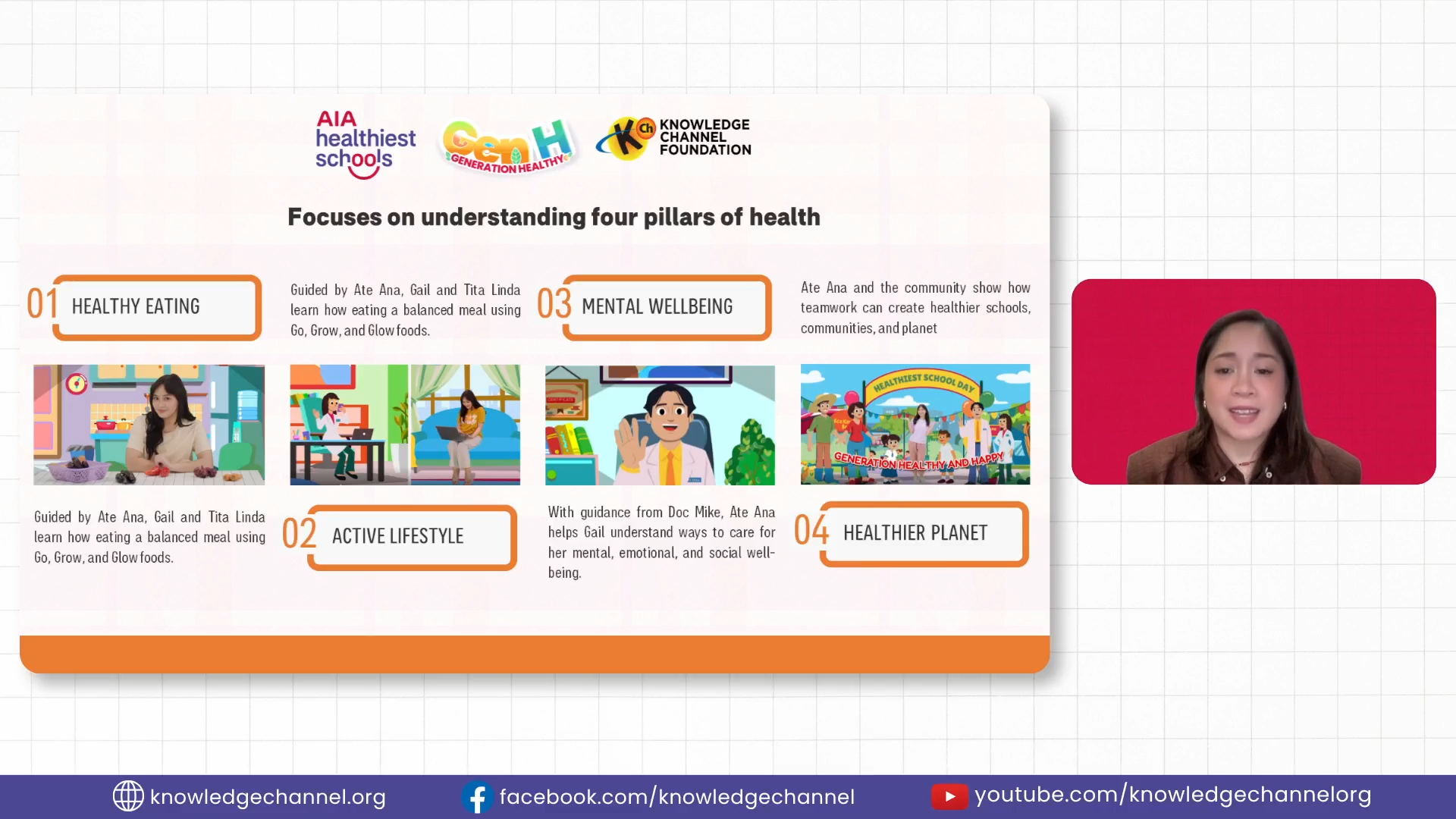
“Upang mas maraming makaalam sa ating AHS program, we partnered with Knowledge Channel at ginawa namin ang Gen H (Generation Healthy) video series para mas mapadali ang pagtuturo ng mga konsepto on healthy eating, active lifestyle, mental well-being, at ang pagpapahalaga sa ating kalikasan,” said Brand Lead of AIA Philippines Lianne Capino.
Lianne Capino, Brand Lead, AIA Philippines.
Why Science Videos Work
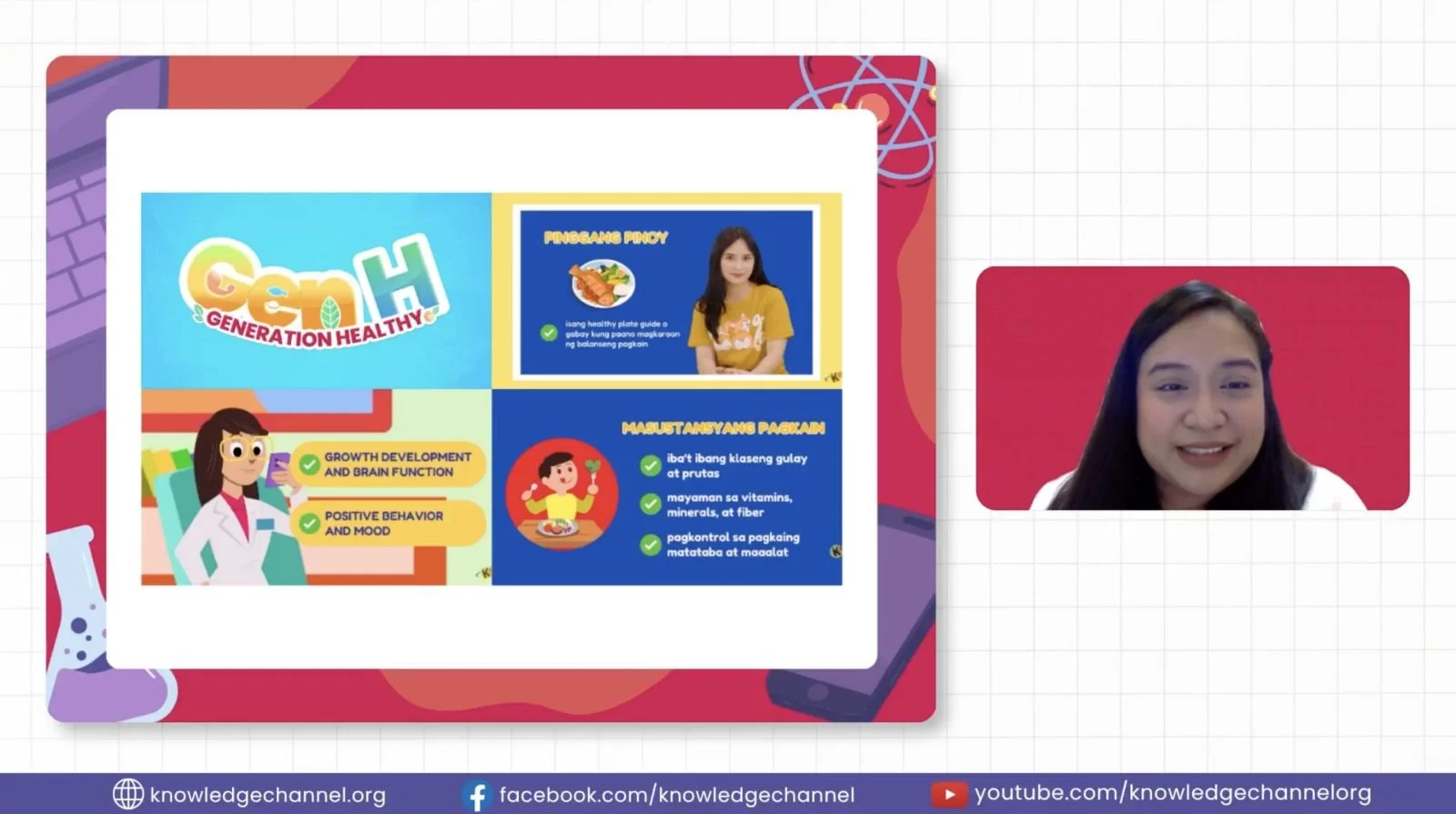
In Module 1, Foundations of Effective Science Instruction through Video Integration, Dr. Joanoreen Ruth M. Almeda, Ed.D., LPT, explained that Science videos are powerful tools for young learners, with educators as the designers of their purpose.
Dr. Joanoreen Ruth M. Almeda, Ed.D., LPT.
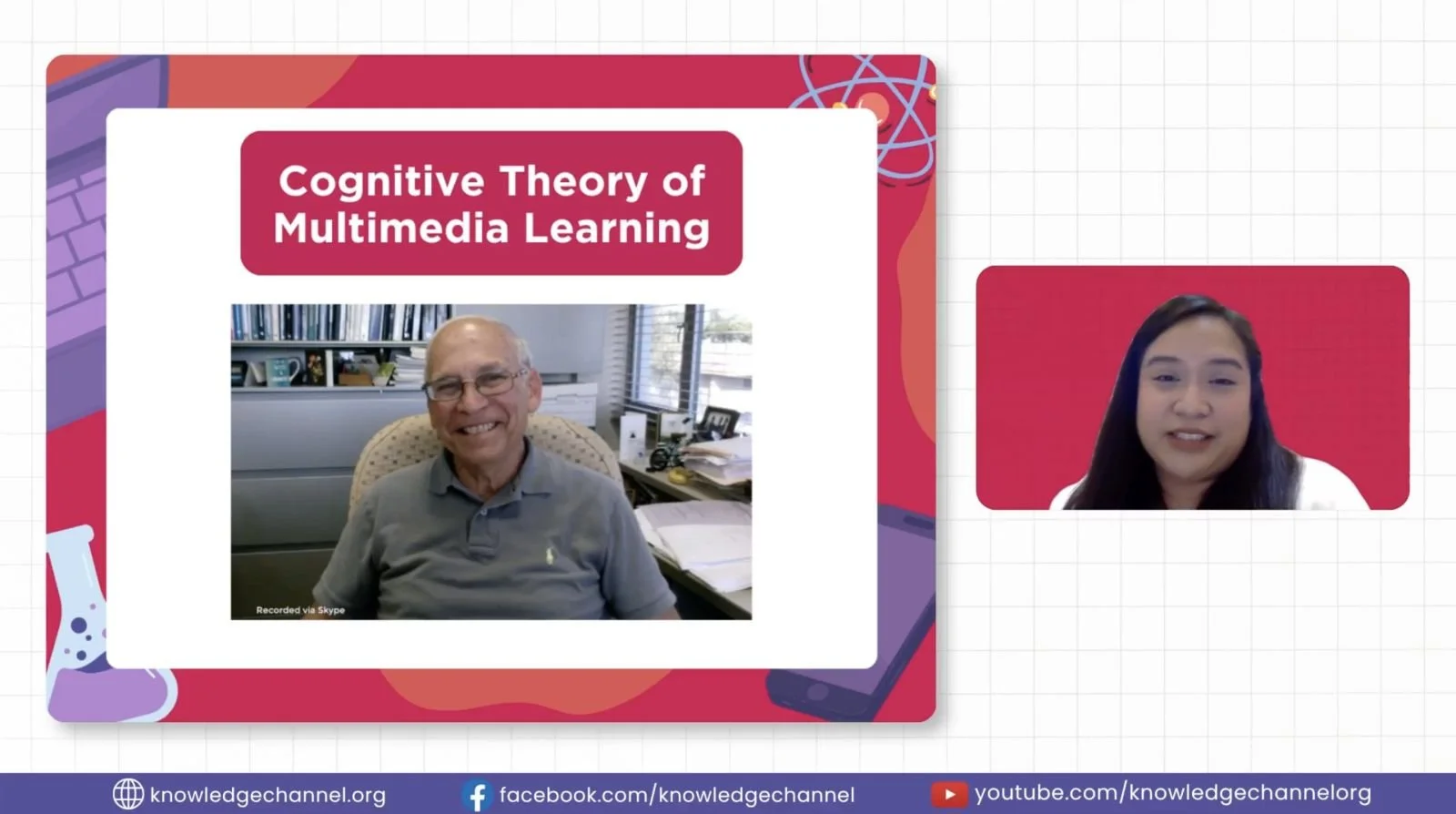
Dr. Alameda highlights Richard Mayer’s Cognitive Theory of Multimedia Learning, noting that utilizing video materials in lesson plans boosts learner engagement, enhances retention and understanding, and accommodates diverse learning styles. “The utilization of Science videos, specifically our [nine] Gen H videos, is a plus factor,” she said, adding that characters such as Tita Linda and Ate Gale help explain concepts in ways aligned with the 2023 Science curriculum.
Dr. Joanoreen Ruth M. Almeda, Ed.D., LPT.
Furthermore, she emphasized the role of Science teachers in helping learners break down complex ideas into smaller, manageable parts and give them time to process information. Dr. Alameda also stresses the power of pausing, giving the brain time to process things out because more information does not necessarily mean more learning.
The Teacher Remote Control in Action
Module 2, Modeling Effective Science Instruction Using Gen H Videos, moved from ideas to practice. In Bringing Science to Life with Gen H Videos, Dr. Almeda demonstrated how to use a video before, during, and after viewing through the Teacher Remote Control.
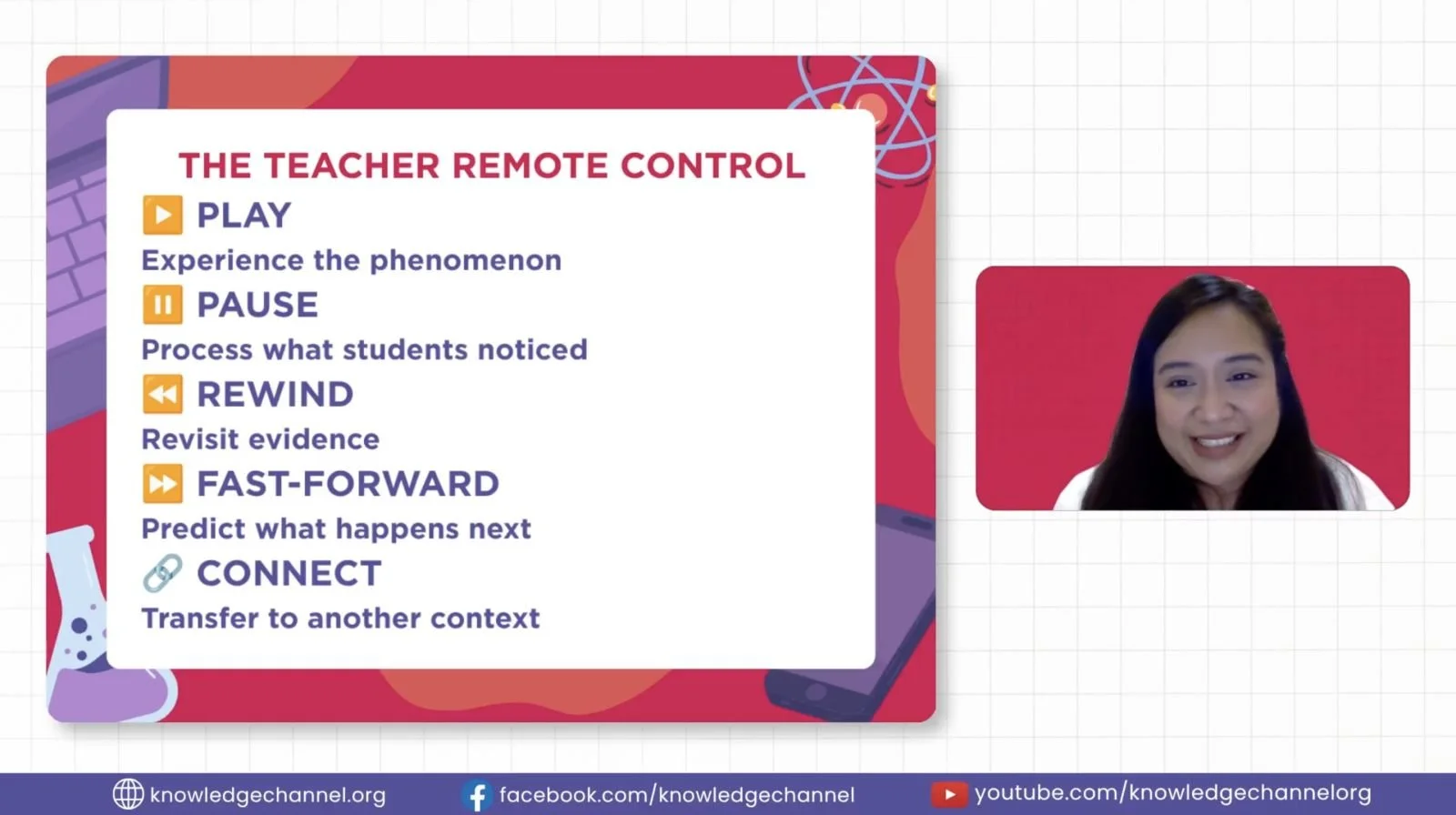
Dr. Joanoreen Ruth M. Almeda, Ed.D., LPT.
She compares a teacher’s moves to the buttons on a video player. Play means letting students experience the phenomenon, and Pause means taking time to process what they noticed. Rewind brings them back to revisit the evidence, while Fast-forward asks them to predict what happens next. Finally, Connect invites learners to transfer what they learned to another context. She also covered questioning techniques and classroom facilitation, so that a video becomes the start of a productive discussion.
Designing Lessons with ILAW
In a guided application, teachers designed their own Science lessons with AHS using the ILAW (Intentions, Learning Experiences, Assessment, and Ways Forward) framework, and then looked at how to assess learning and map it to the curriculum.
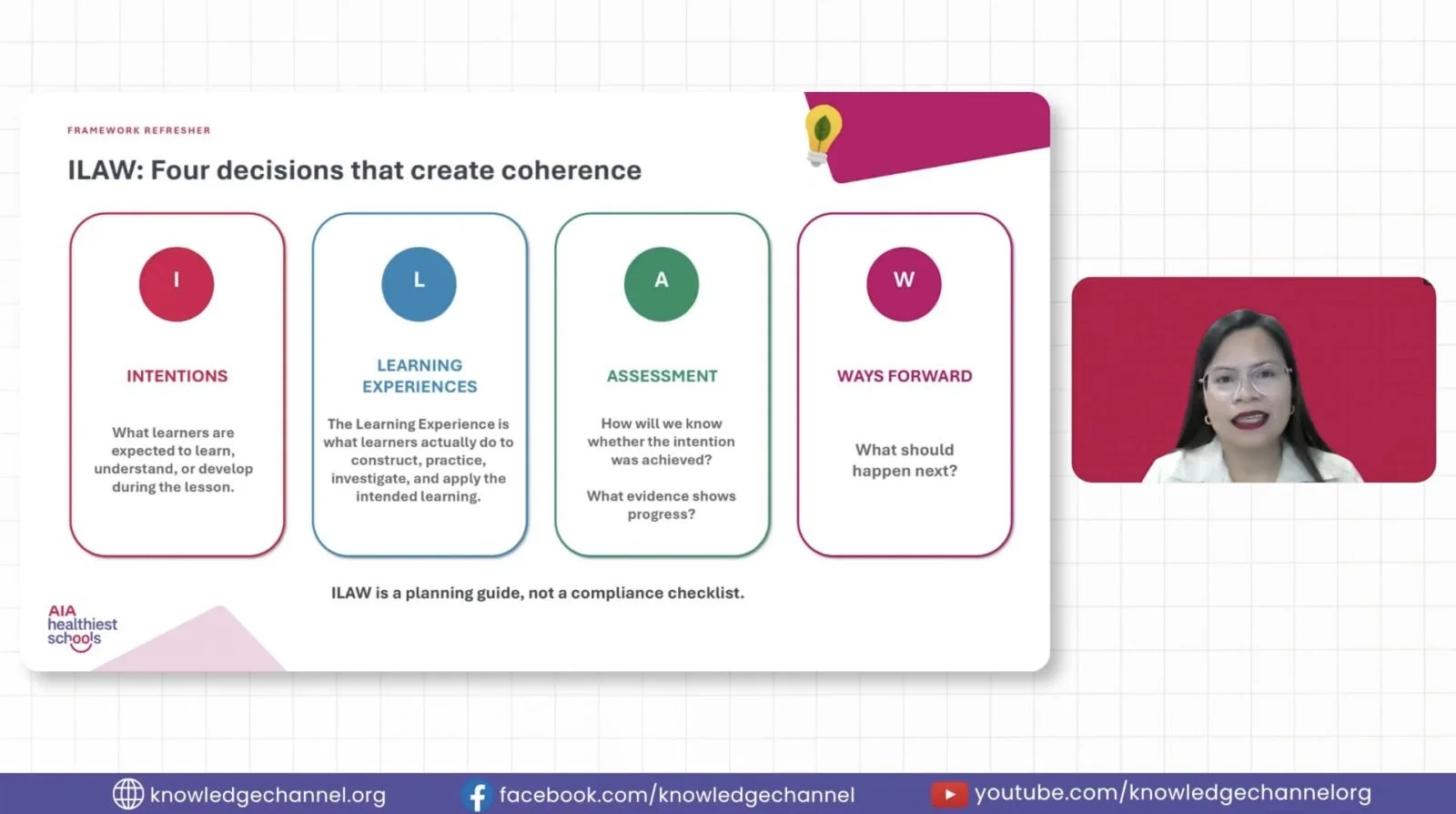
Janice Cordovero, Teacher II, San Diego Elementary School.
For elementary learners, Teacher II Janice Cordovero of San Diego Elementary School highlighted key indicators of student engagement: behavioral (participation and following instructions), cognitive (applying ideas and correcting misconceptions), emotional (interest and curiosity), and social (listening, sharing, and building on peers’ ideas).
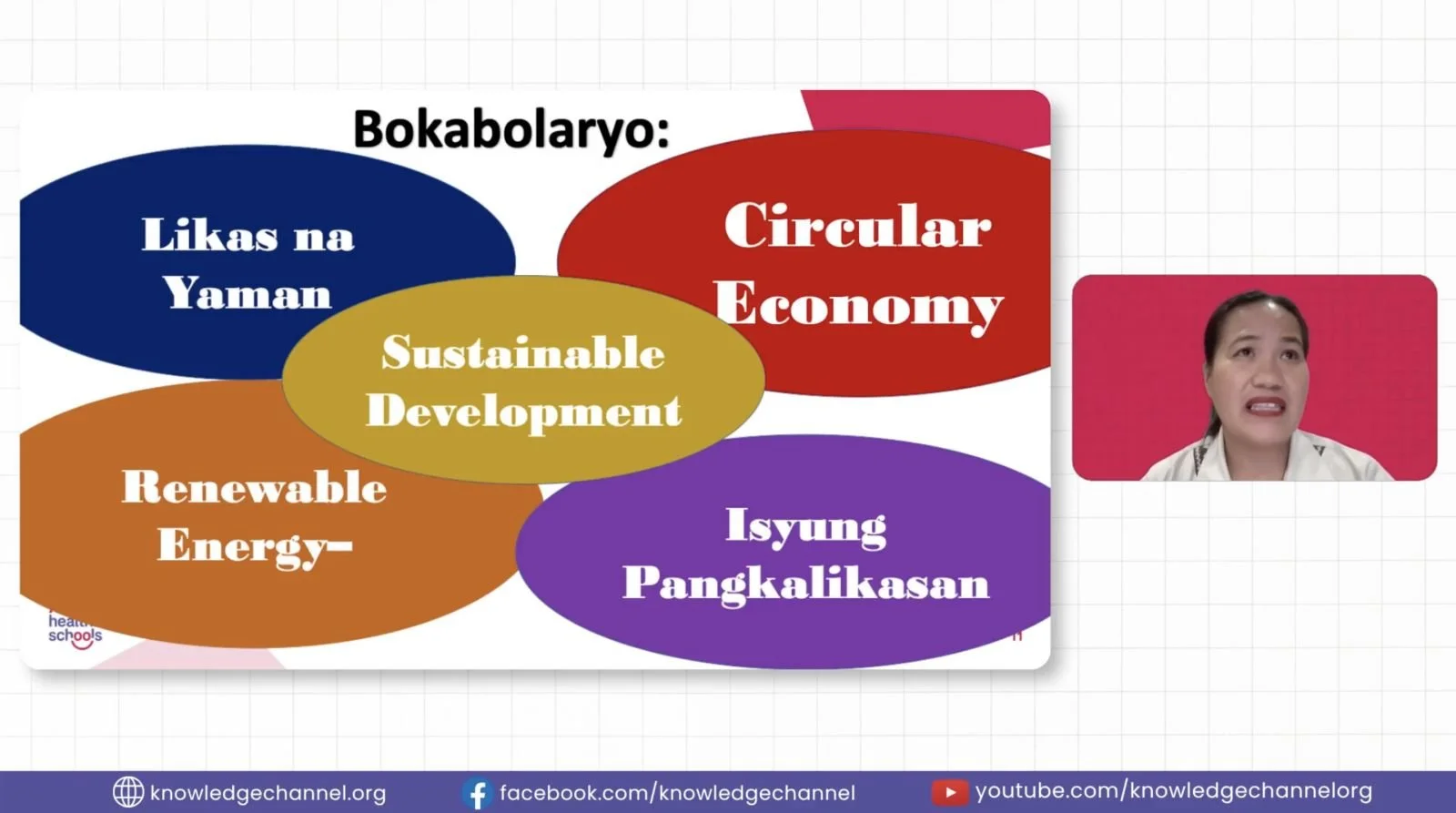
Rowena Mae L. Manacob, Teacher I, Santolan High School.
For high school learners, Teacher I Rowena Mae L. Manacob of Santolan High School led a session on Personal Responses to Environmental Issues Toward Sustainable Development, introducing key terms such as likas na yaman, sustainable development, circular economy, isyung pangkalikasan, and renewable energy.
From Classroom Lesson to School Project
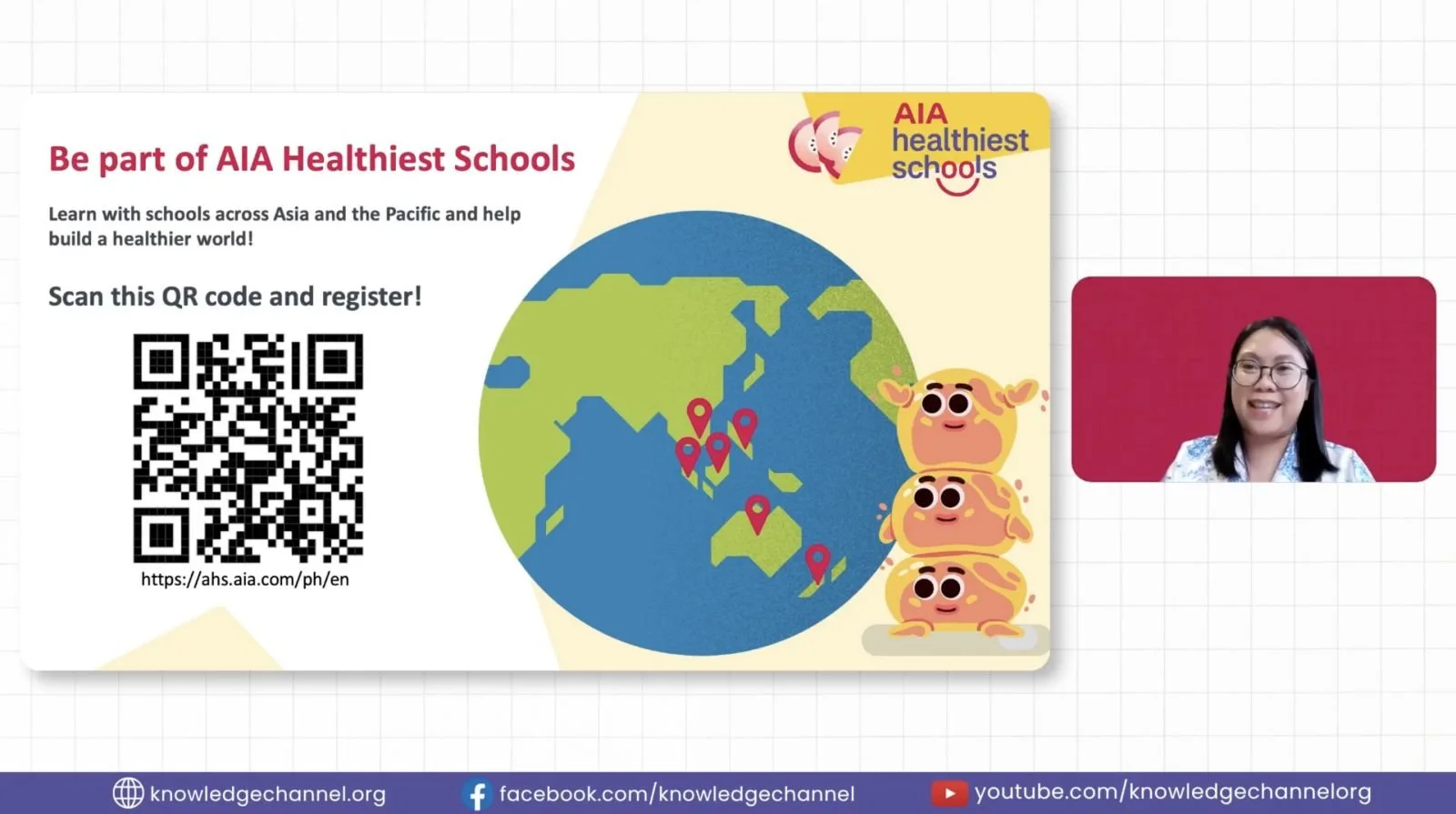
Julie Baja, Program Manager, Corazon S. Atayde Memorial Foundation.
Participants explored how classroom lessons can be turned into school projects and AHS Challenge entries. Ms. Julie Baja, CSAMF Program Manager, shared examples of projects benefiting school communities, followed by a video featuring the first AHS Challenge schools and a live walkthrough of the AHS website. Schools can register at ahs.aia.com/ph/en and submit entries for a chance to represent AIA Philippines at the AHS Regional Gala Awards.
Like and follow Knowledge Channel’s official social media pages to receive immediate updates on new content and other important announcements.