
Rina Lopez: The Heart Behind Accessible Early Education
Smart Parenting Awards, now in its fifth year, introduces its newest category, the Smart Parenting Gamechangers.
Smart Parenting Gamechangers honors educators, experts, advocates, and entrepreneurs who uplift Filipino families and children with authenticity, passion, and purpose. Each awardee is a standout in their field, shaping the lives of parents and children through meaningful work and a commitment to Filipino values. This recognition celebrates their work and the impact they create every day.
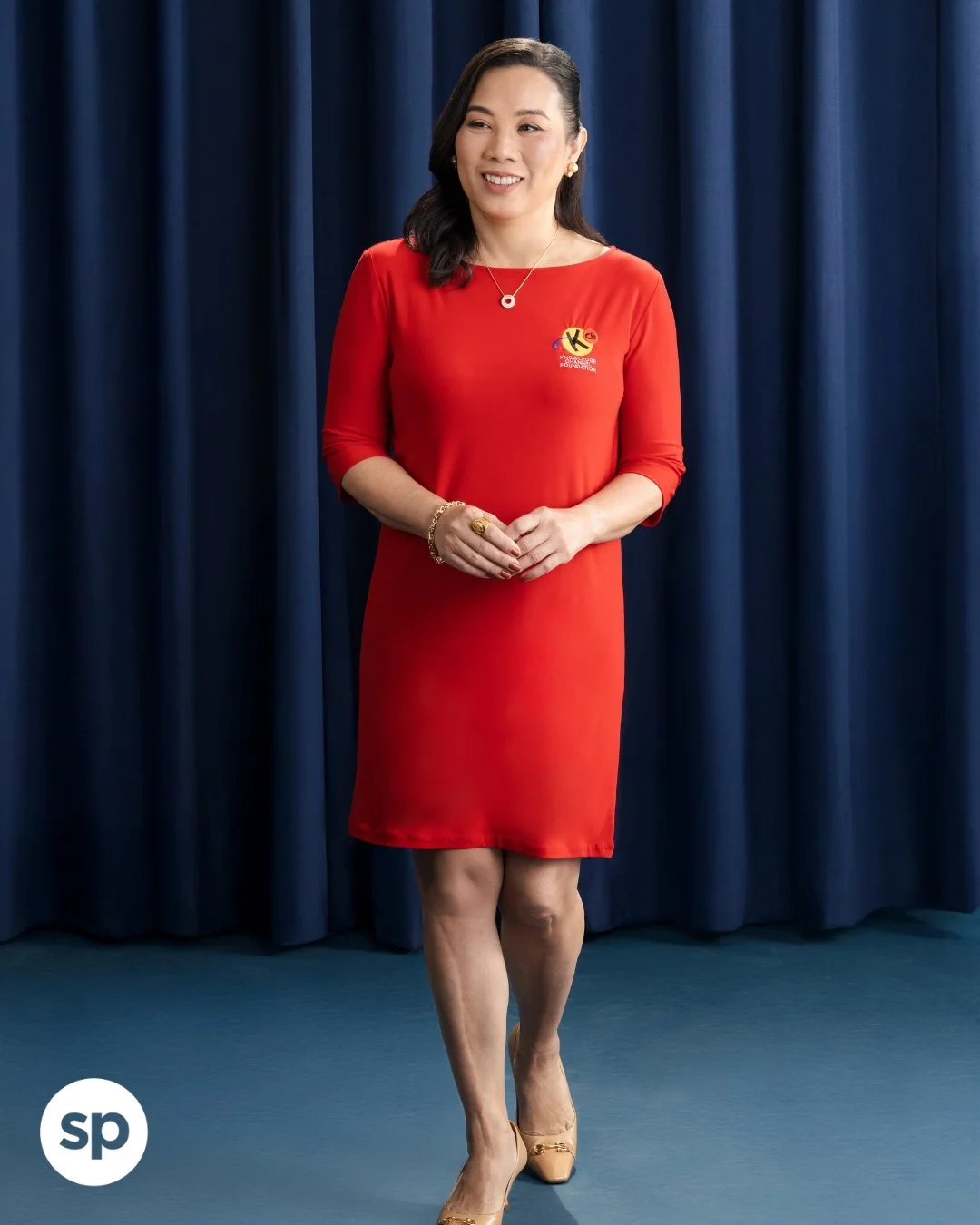
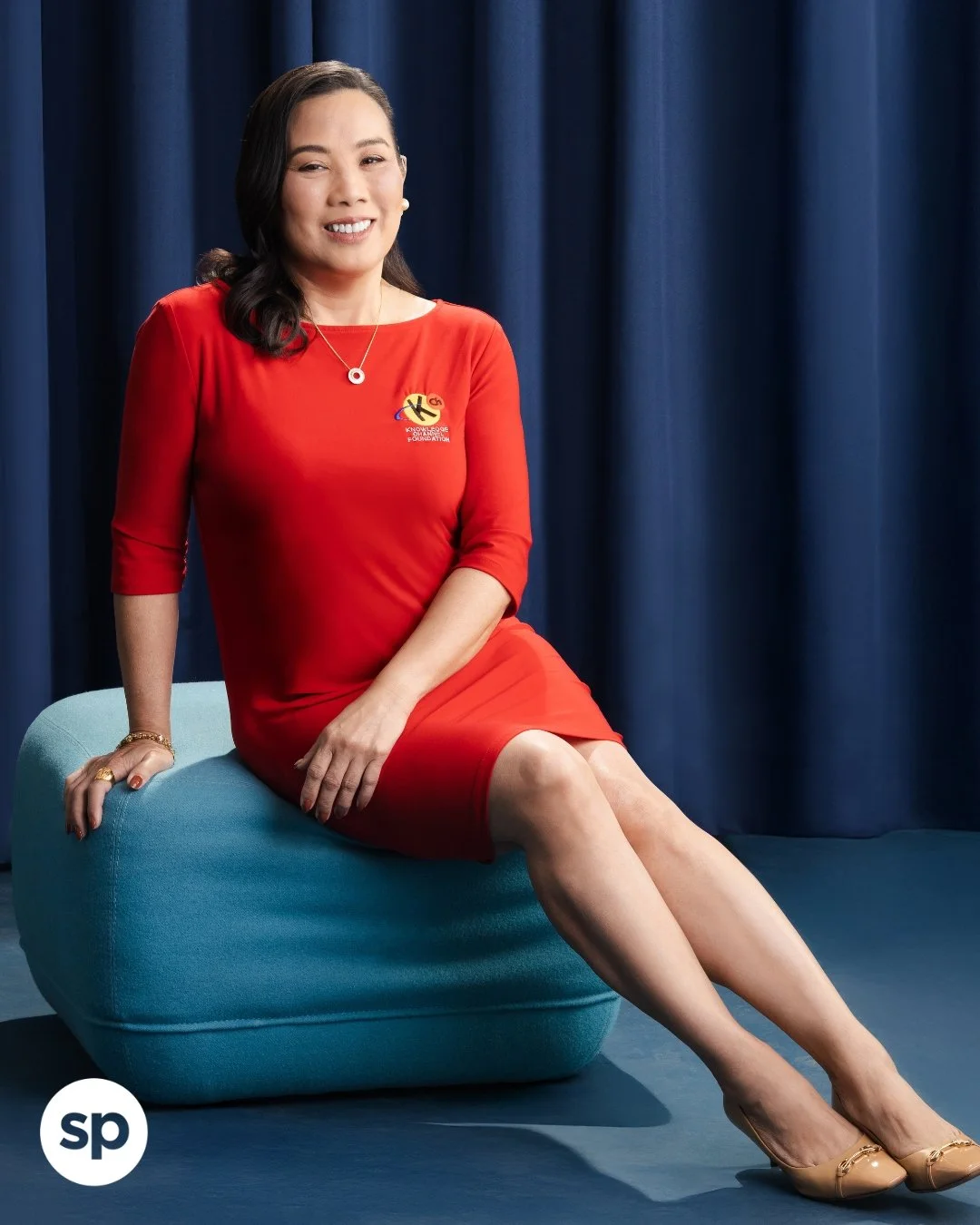
Rina R. Lopez, Smart Parenting Gamechanger Awardee for Media and Education
"It would be in a remote area and so sometimes there are no TVs there at all. It would be the first one. And it would be their window to the rest of the world, 'no? And they would say, "Thank you, ma'am." (To which) I say, "I bring a TV and a satellite dish." "No, ma'am. What you bring to us is hope. What you bring to us is love," recalls Rina R. Lopez, co-founder, president and executive director of the Knowledge Channel Foundation (KCFI).
Image: Rina R. Lopez is the co-founder, President, and Executive Director of the Knowledge Channel Foundation Inc. which has been operating for 26 years. Photo by: Paola Aseron
Knowledge Channel Foundation is a non-profit organization that operates the first and only TV, online, and offline media tandem, producing and acquiring content focused on the Philippines’ PK-12 curriculum. Along with her team, she envisioned giving Filipino children access to quality education through television, and she remains committed to that vision to this day.
Reaching remote communities across the Philippines—from Itbayat, Batanes, to Sitangkai, Tawi-Tawi—Lopez and her team worked tirelessly to research and produce content that would give Filipino children access to meaningful learning materials and effective pedagogy through tv and media.
Lopez is the inaugural recipient of the Gawad Flora A. Ylagan for Eminent Women in Education, LaSallianeta Zeal Award for Excellence in Education Innovation, Peace Builder International Hall of Fame Award by the Chicago Filipino-American Via Times, Manuel L. Quezon Award in Communications and Distance Learning by the Federation of Catholic Schools Alumni/ae Associations, and Forbes Asia ‘Heroes of Philanthropy’ (2021).
For the past 26 years, the Knowledge Channel has quietly but powerfully shaped the learning journey of Filipino children—and, by extension, supported the families raising them. If you grew up with Kasaysayan TV and Pamana in the late `90s, chances are, your kids may have already been exposed to Mathdali and Wikarian Online World, particularly during KFCI’s “Stay at home, Learn at Home” campaign during the pandemic.
In its early years, reaching learners meant hauling massive CRT televisions (cathode ray tubes, an older type of television that uses a large vacuum tube to display images) and satellite dishes across remote islands. For many far-flung communities, these installations became their first glimpse of the wider world. That sense of connection to the world beyond remains at the heart of the Knowledge Channel today.
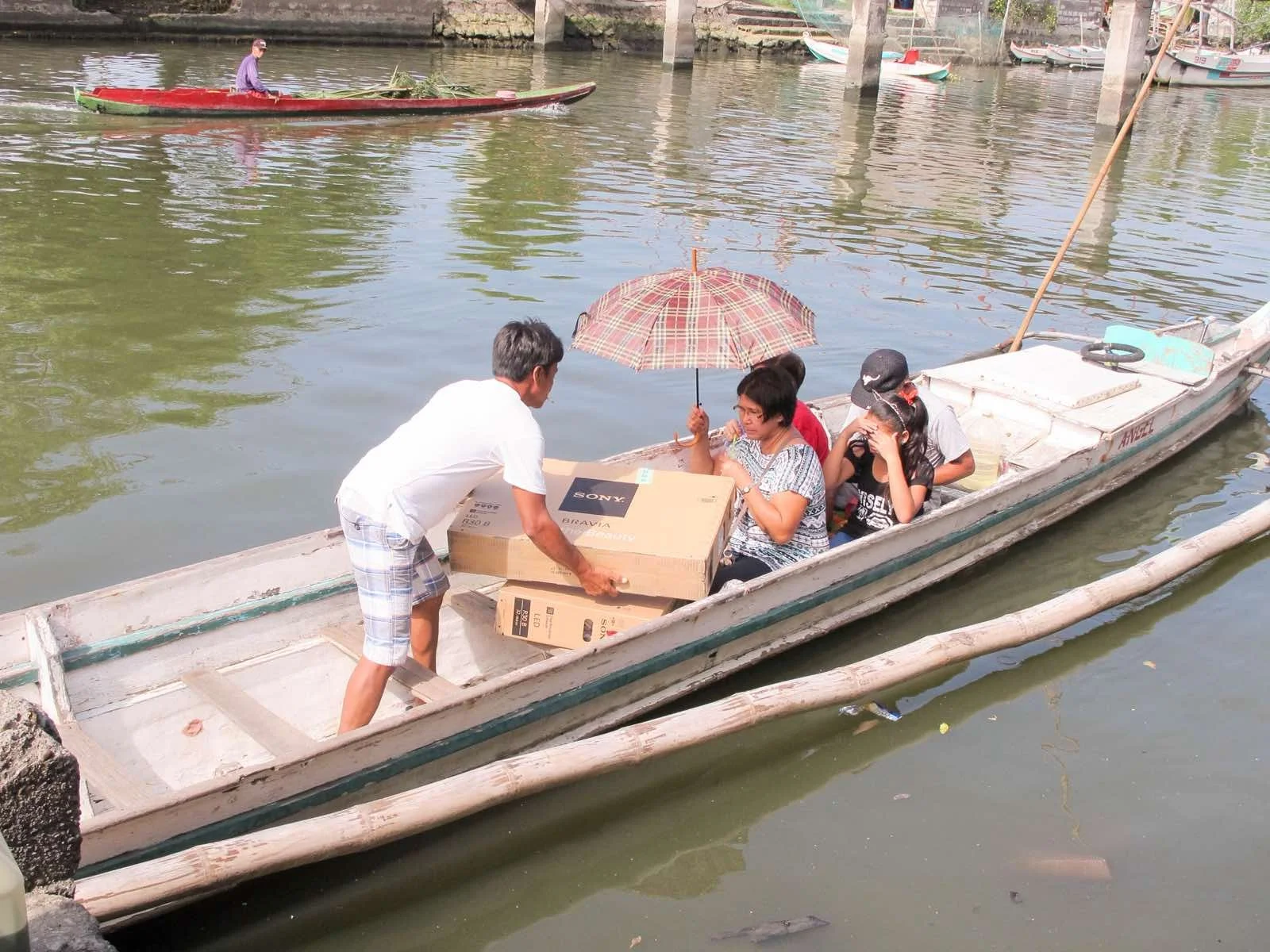
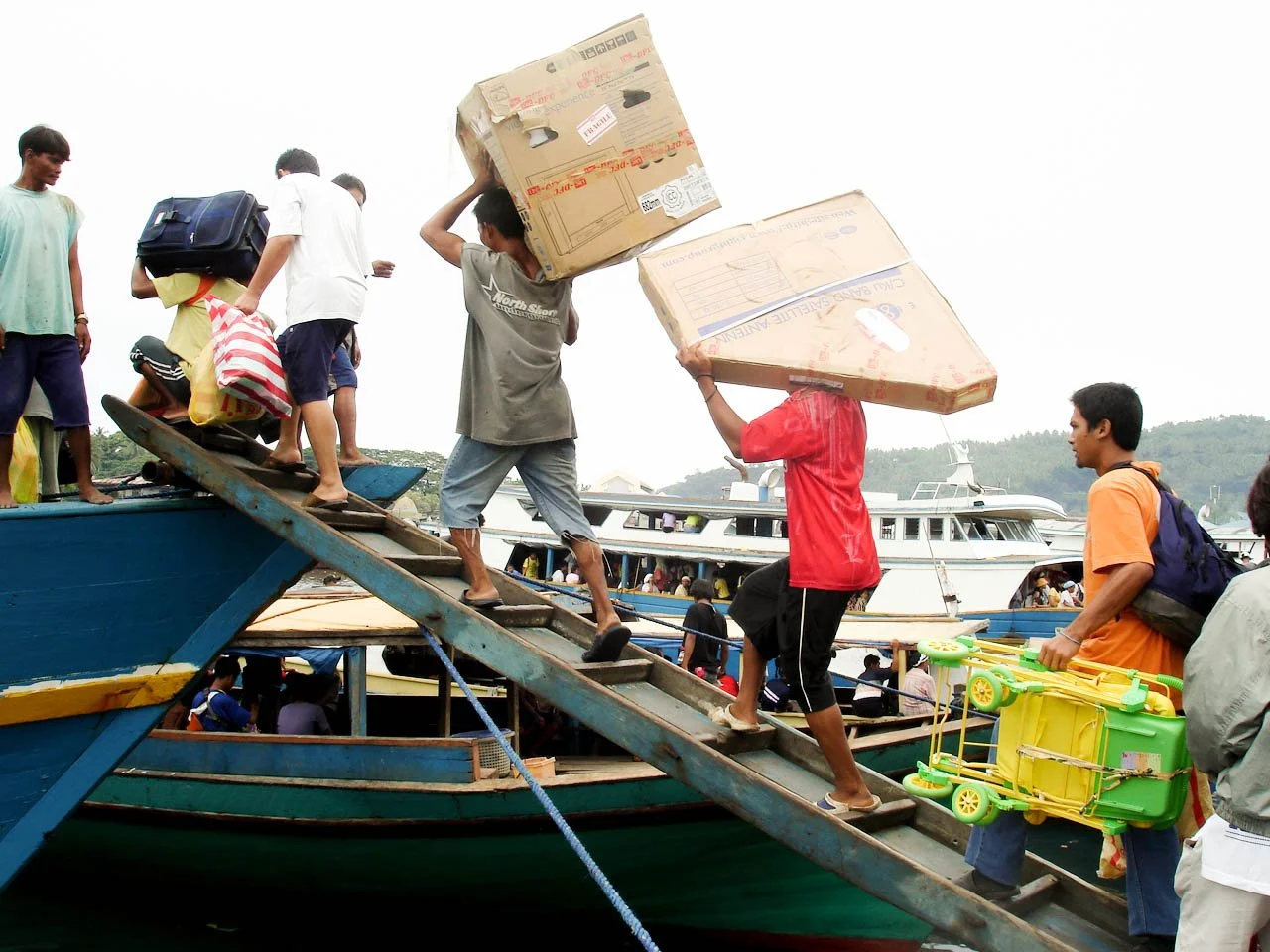
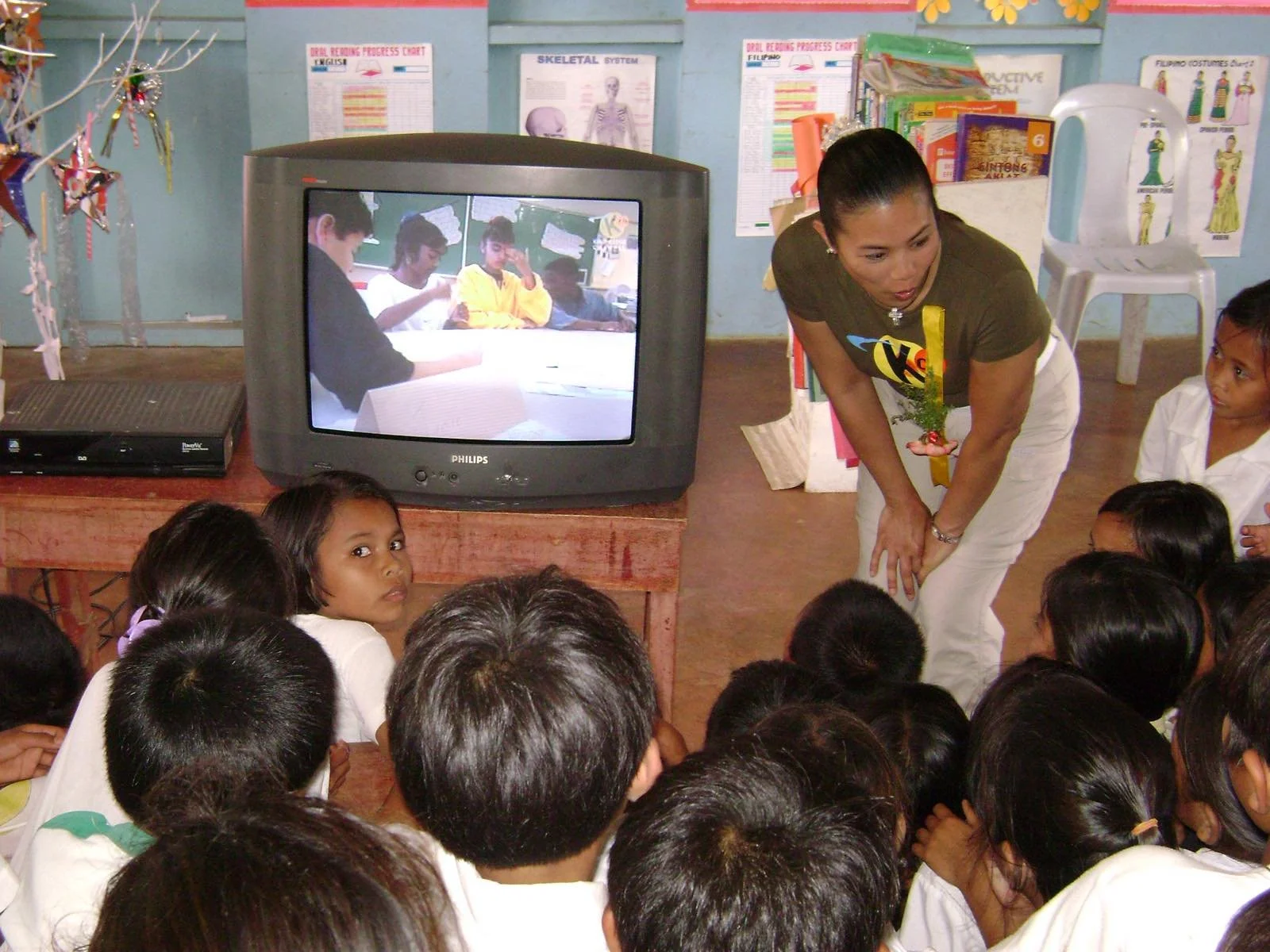
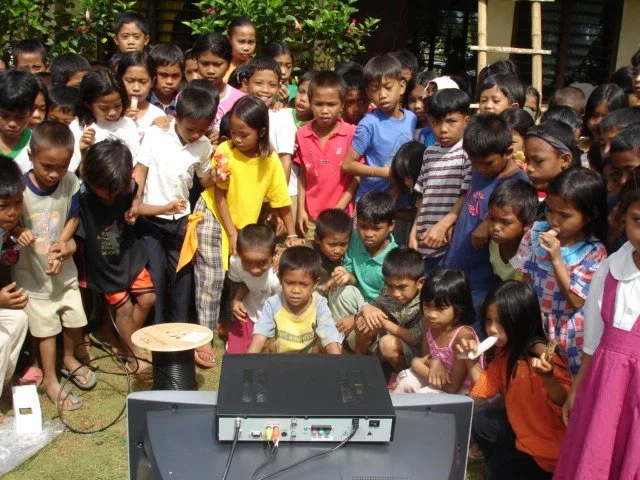
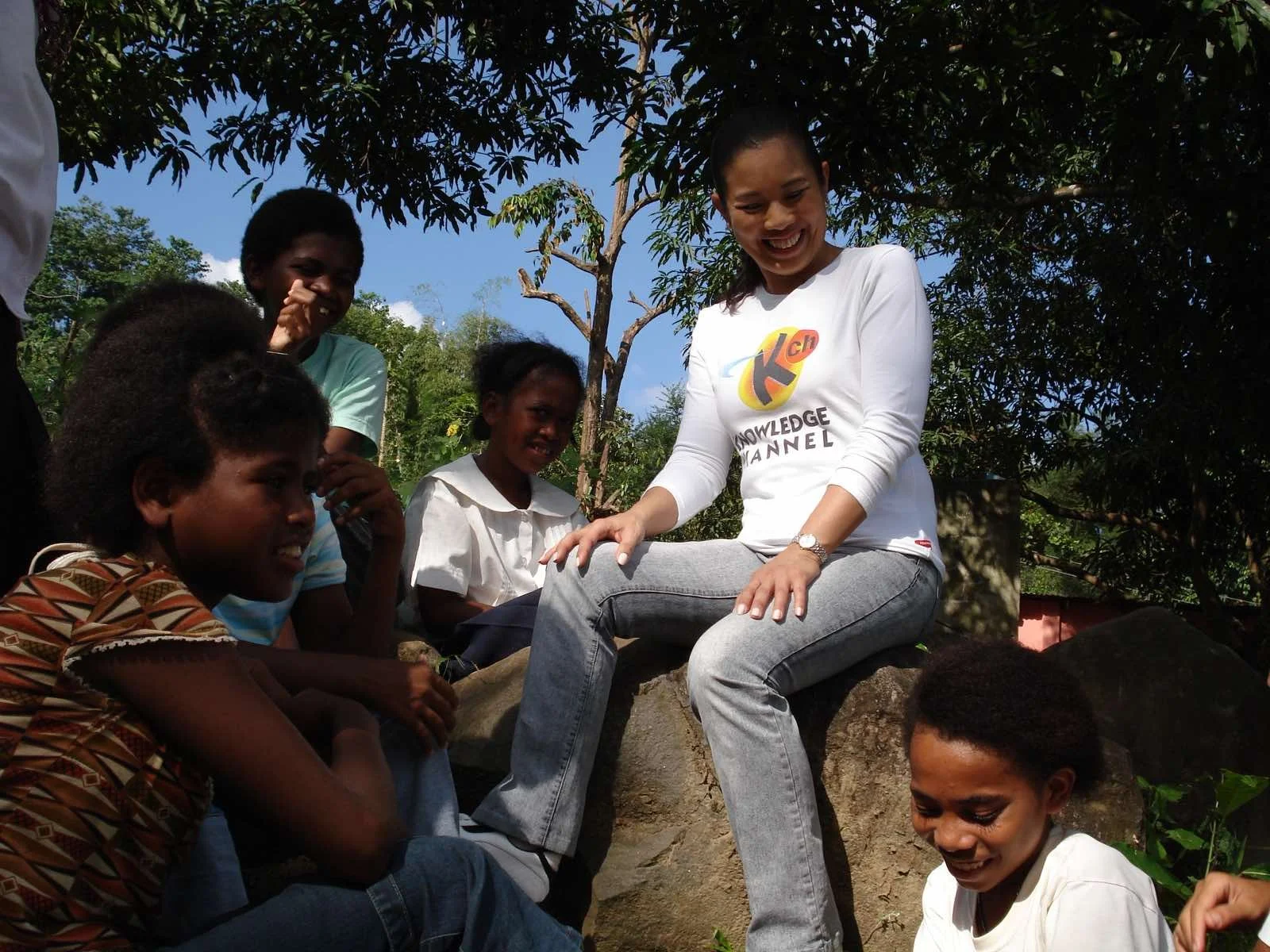
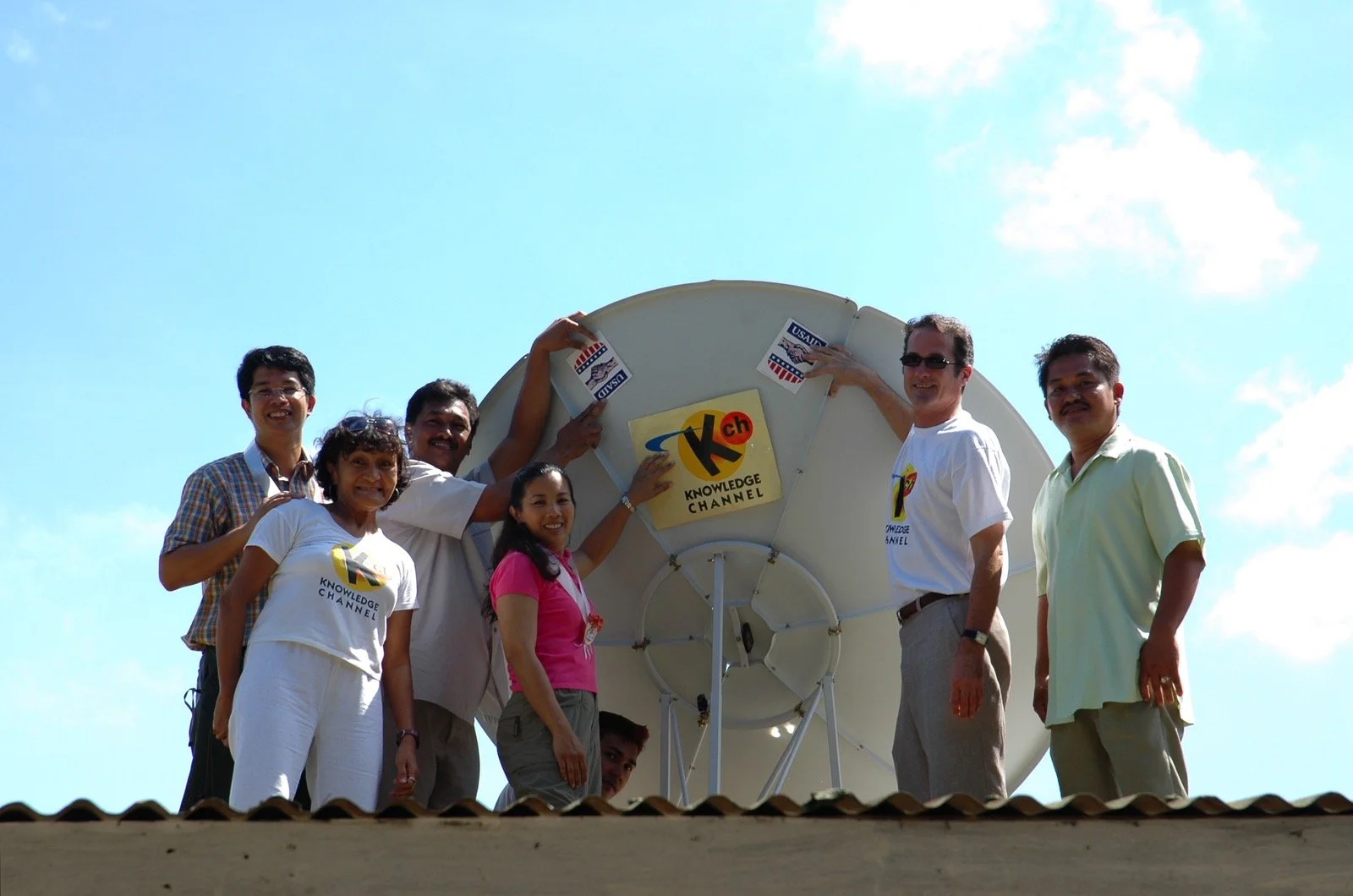
Image: Rina during the early days of Knowledge Channel; Photo credit: Rina Lopez
Smart Parenting (SP): What inspired the creation of Knowledge Channel?
Rina Lopez (RL): Well, I used to work for Sky Cable, and I said I wanted to set up a foundation for Sky Cable. And so the first name of Knowledge Channel Foundation was Sky Foundation. It was because we wanted to use the infrastructure that we had with Sky for the education of children all over the country. Initially, it started with franchise areas of Sky Cable. But then, we expanded to areas outside Sky Cable. And because we had a satellite transponder, we also installed the Knowledge Channel in schools outside of cabled areas through a satellite, a huge satellite dish, on the rooftops of remote schools: in the mountains, in the islands.
SP: How is Knowledge Channel coping with the changes in the TV and digital space?
RL: While we started as a cable channel, we've gone into other types of broadcast media. We have our own YouTube channel, and then we have, of course, (access to) Facebook, TikTok, and other social media presence. But knowing that a lot of areas in the country are still unconnected, we provide the Knowledge Channel videos and the learning resources offline. We call it Knowledge Channel TV or Knowledge Channel Portable Media Library, which is a hard drive with hundreds of our videos with three versions: one is for elementary, one is for high school, and one is for early childhood. These are for the children and for the teachers—and for the caregivers and parents as well.
“We make that choice to continue—to help the children, their teachers, their parents, the whole community, and the country as well.”
SP: What do you think contributed to the Knowledge Channel's growth through the years—26 years?
RL: 26 years now, yes. I think it's our persistence, our resilience, and growth mindset.
We actually teach that to teachers, the growth mindset. I think it's a very helpful, hopeful, theory and concept, for teachers, but for everyone else as well, including the Knowledge Channel. We've faced many challenges... the loss of the franchise of ABS-CBN. And yet you know what? Each time I ask myself, "Are we going to continue?," the answer is the same. It's a difficult decision, but we make that choice to continue—to help the children, their teachers, their parents, the whole community, and the country as well.
SP: Speaking of the challenges, what other hurdles did you encounter and how did you overcome them?
RL: In the early years of bringing the Knowledge Channel to the schools, at that time, it was, like, huge TVs. You know, the CRTs (cathode ray tube). Huge satellite dishes. We would need to bring that to the islands. So it would come by plane, and then by boat. And then sometimes, like ‘bangkas.’ And sometimes, in areas where there is really no transportation, we would have to deliver them by dump trucks. But aside from bringing the Knowledge Channel to these areas, there is a resistance sometimes, from the teachers. In the early years, they thought it would replace the teachers. But we said, "No. We will never replace you", no, even today with AI. We will never replace the teacher. There will always be a human in the loop, human touch, for the children to learn better.
Developing the content is another challenge. We bring together different experts: whether it's a subject-matter expert, DepEd, of course, or the Early Childhood Care and Development (ECCD) Council—because we follow their curriculum, whether it's the learning resource packages of ECCD Council, or the curriculum of the Department of Education. We provide engaging videos, their stories, their songs, and the learnings, because in some areas, they don't even have the books. So it's easier to provide, the videos and the learning resources that we provide. Now, it’s a lot easier because we have the on-air, online, and offline distribution. And we’re working with all the different platforms as much as we can to reach as many as we can. It's like reaching more and teaching more.
And one more thing. When we started the Knowledge Channel 26 years ago, we were teaching Millennials. Today, you know, it's not just the Gen Alpha. We're already starting with the Beta, right? So it's not just an evolution of technology, but also of pedagogy.
"Ma'am, laking Knowledge Channel ako." It's very heartwarming, you know, to see and hear them say that they learned so much from just watching the Knowledge Channel videos.
SP: Millennials are now in the workforce—that’s us.
RL: Exactly. You know, there were so many people, like the teachers who we talked to, or even mayors who would say, "Ma'am, laking Knowledge Channel ako." It's very heartwarming, you know, to see and hear them say that they learned so much from just watching the Knowledge Channel videos. Now they are free to use and bring the content to their kids.
SP: What do you consider is the best part of what you do?
RL: It's really seeing the children learn from what we have created. It would be in a remote area, and so sometimes there are no TVs there at all. It would be the first one. And it would be their window to the rest of the world, 'no? And they would say, "Thank you, ma'am." (To which) I say, "I bring a TV and a satellite dish." "No, ma'am. What you bring to us is hope. What you bring to us is love."
SP: Looking ahead, what are your hopes for Knowledge Channel in the years to come?
RL: Well, I hope that we can continue to impact the lives of the children and, of course, to continue helping them as much as we can.
Article by: April Kristel Llana, Smart Parenting PH